
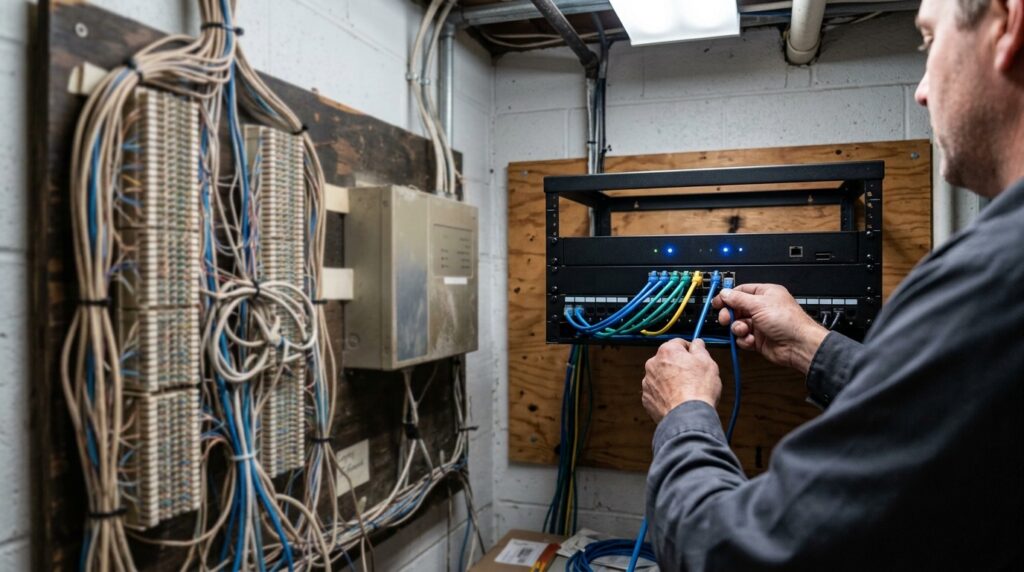
PRI to SIP Migration Without Replacing Your PBX
A successful PRI to SIP migration rarely requires a forklift upgrade, and the dealers who understand that win deals faster than the ones quoting a full phone system replacement.
- Copper retirement rules changed materially in March 2026, compressing the window customers have to plan a POTS replacement.
- On-premises deployments still hold most of the SIP trunking market, so keeping an existing PBX is the mainstream path rather than a workaround.
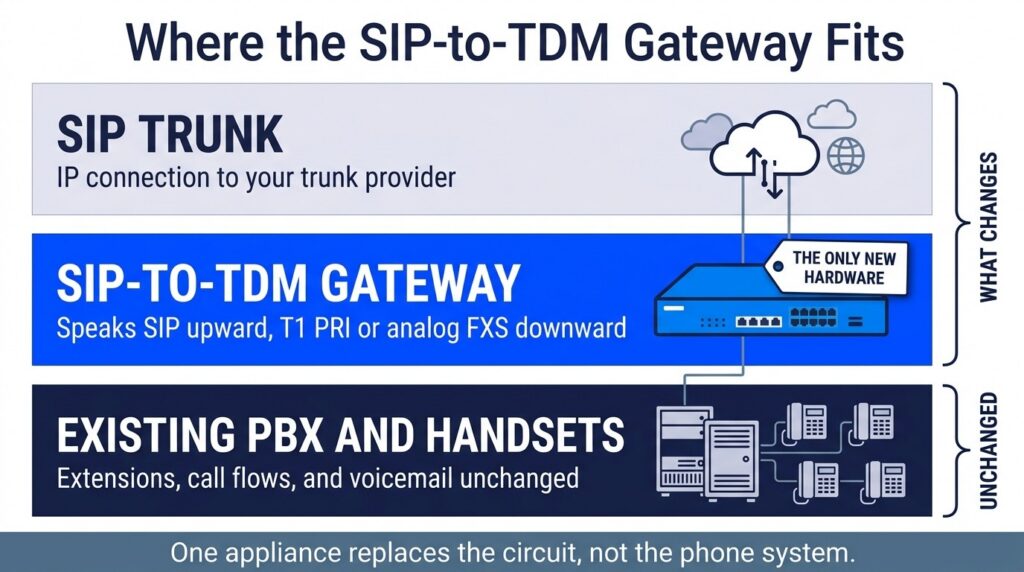
- A SIP-to-TDM gateway preserves the customer’s handsets, wiring, and call flows while the trunks move to IP.
- Migrations rarely fail on the trunk. They fail on number porting, E911 records, and forgotten analog lines.
Treat migration discovery as a billable engineering discipline rather than a pre-sales formality, and both your close rate and your margins improve.
Your customers are receiving carrier notices, and most don’t know what to do next. The conversation usually starts with a question about whether they need a new phone system, and the answer is usually no. A well-scoped PRI to SIP migration keeps the existing PBX in place, moves only the trunk side to IP, and delivers the cost reduction the customer wants without the disruption they fear.
For partners working through a SIP trunking reseller platform, that gap between anxiety and reality is where the margin lives. The FCC’s March 2026 modernization order removed procedural steps that used to slow copper retirement, so the PSTN sunset is arriving faster than your customers expect.
Why Has PRI to SIP Migration Become Urgent for Your Customers?
Urgency comes from process now, not a published shutdown date. Customers who wait for a formal notice schedule the work under pressure.
What Changed in the Copper Retirement Rules?
The Commission adopted its Network and Services Modernization Order on March 26, 2026. It eliminated the filing requirements tied to network change disclosure, including the public notice and objection process for copper retirements, and granted carriers blanket authority to grandfather legacy voice, lower-speed data, and interconnected VoIP over copper without a Section 214 application. Filed applications are now automatically granted on the 31st day for every carrier.
The PSTN sunset now subtly advances between a carrier and its customers rather than through a public FCC filing, so your customer’s first warning may be a letter, and by then, the schedule belongs to someone else. For background on how the technologies differ, how SIP compares to PSTN covers that ground.
How Do PRI and POTS Compare to SIP on the Things That Affect a Cutover?
Feature comparisons are easy to find, but the variables that shape a project plan differ.
| Implementation factor | PRI and POTS | SIP trunking |
| Provisioning lead time | Weeks, with a carrier truck roll | Minutes to hours, self-service |
| Capacity increments | Fixed blocks of 23 channels | Single channels, added on demand |
| Failover options | Limited, usually manual | Secondary routing, backup forwarding |
| E911 record handling | Tied to the physical circuit | Provisioned per endpoint address |
| Analog device support | Native | Requires gateway, ATA, or replacement |
| Contract terms | Multi-year commitments common | Month to month available |
| Partner economics | One-time install revenue | Recurring monthly revenue |
How Do You Assess Readiness Before You Replace PRI With SIP?
Readiness assessment is where a dealer earns the deal. Ask the questions the incumbent carrier never asked, and you establish authority before quoting.
What Belongs in the Circuit and Device Inventory?
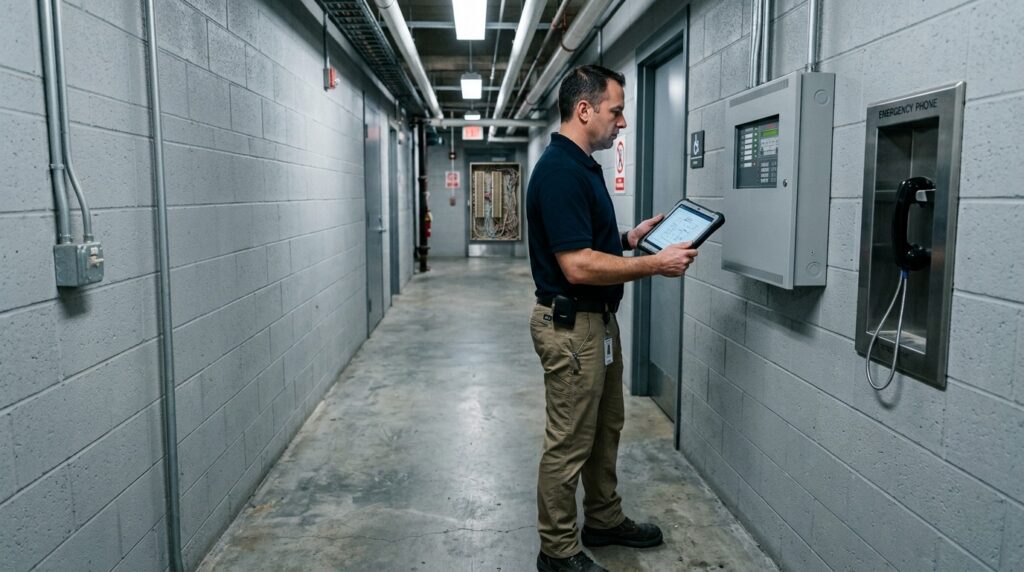
Start with every circuit on the bill, then work outward to everything plugged into it. Document each PRI, every standalone analog line, all DID ranges and block boundaries, hunt groups, IVR call paths, call queues, and any CRM or contact center integration. Then walk the building. Fax machines, credit card terminals, fire alarm panels, elevator phones, and gate intercoms live on lines that rarely appear in anyone’s documentation.
Anything missing from this baseline becomes an emergency on cutover night that turns a profitable migration into unpaid support work.
How Do You Size Channels and Confirm the Network Can Carry Voice?
Channel sizing should come from data, not headcount. Pull three to six months of call detail records, find the peak concurrent call count, then add headroom for growth and seasonal spikes. Most customers pay for far more PRI capacity than they use, and showing them that number often closes the deal.
Network readiness is a separate check. Confirm upstream bandwidth against that figure, verify QoS marking survives every hop between the PBX and the edge, and test under load rather than at 7 a.m. Matching the number against channel and minute pricing options gives you a quote you can defend line by line, and a SIP trunk reseller program supplies the provisioning and billing infrastructure underneath it.
Can a SIP-to-TDM Gateway Save the Existing PBX?
In most cases, yes. A SIP-to-TDM gateway is the one piece of equipment that makes a legacy PBX migration affordable, and it’s why your customer doesn’t need to replace working hardware.
How Does a SIP-to-TDM Gateway Bridge the Two Worlds?
The gateway sits between the IP network and the PBX. On one side, it speaks SIP to your trunk provider. On the other, it presents the same T1 PRI handoff or analog FXS ports that the PBX has always seen, so the PBX never knows anything has changed. Extensions, call flows, voicemail, and handsets keep working.
That approach is not a compromise, and the market data supports it. Mordor Intelligence reports that on-premises deployments still dominate SIP trunking with roughly three-quarters of market share, driven by organizations extending the life of existing PBX assets while gaining the cost benefits of IP trunking.
When Does Legacy PBX Migration Justify Full Replacement Instead?
Sometimes the gateway is the wrong answer. Recommend replacement when the PBX is beyond vendor support with no security patching, when the customer needs features the old system cannot deliver, when legacy licensing costs exceed a modern system, or when the hardware is old enough that failure during migration is a real risk. A dealer who says “keep this” when it should go loses the relationship six months later. Checking the system against a certified PBX platform compatibility list tells you which conversation you are in.
How Should You Sequence Number Porting and Cutover?
Porting is the longest pole in the project and the least forgiving, so build the schedule around it.
What Makes a Port Order Go Through Cleanly?
Request the Customer Service Record from the losing carrier before submitting anything. The Letter of Authorization has to match that record exactly, including account name, service address, and authorized signer, because a single character difference triggers a rejection that costs days.
Watch for three traps. Partial ports, where some numbers stay with the old carrier, often require the main billing telephone number to stay behind. Port-out freezes placed on the account years ago must be lifted by the customer. And the Firm Order Commitment date is the date the port can happen, not a promise that anyone is standing by.
How Do You Phase the Cutover to Contain Risk?
Never move everything at once. Bring the SIP trunk up alongside the existing PRI and route outbound traffic to it first because inbound callers are unaffected if you reverse it. Once outbound is stable for a few business days, port inbound numbers in batches, starting with the least critical departments and finishing with the main published number.
Running both services in parallel costs one extra month of PRI billing, which is inexpensive insurance. For the commercial structure underneath this delivery model, see the complete guide to reselling SIP trunks.
What Does a Rollback Plan Actually Require?
A rollback plan is a written decision tree, not a sentence in the statement of work. Define the failure conditions that trigger reversal, name the person authorized to call it, and document each step and how long it takes. Keep the PRI active and the old trunk configuration saved until the parallel period ends. Reversing a completed port is a new order measured in days, which is why outbound moves first.
What Breaks If You Overlook E911, Fax, and Alarm Lines?
These categories cause most post-cutover failures, and two carry liability.
Which E911 Obligations Follow the Customer After Migration?
Federal rules apply to the customer’s phone system regardless of what carries the trunk. Under FCC multi-line telephone system rules, Kari’s Law requires that users dial 911 directly without a prefix, such as 9, and that a designated on-site contact is notified. Section 506 of RAY BAUM’S Act requires a dispatchable location to reach the answering point: a validated street address plus the suite, floor, or room detail responders need.
With a PRI, location was implied by the circuit. With SIP, it is a database record you provision per endpoint, so verify every address before cutover, and place a 933 test call to confirm what the answering point receives.
How Do You Handle Fax, Alarm Panels, and Elevator Phones?
Fax needs a decision, not an assumption. T.38 relay works when both endpoints support it and G.711 passthrough is the fallback, but neither is reliable enough to leave untested. Send real documents to real destinations before declaring the line migrated.
Alarm panels and elevator phones deserve extra scrutiny. In the same March 2026 order, the FCC noted that the 2016 requirement for replacement services to stay compatible with alarm and medical monitoring devices sunset in 2025 and declined to impose a new codec handshake requirement for life-safety alarm monitoring. Nobody is guaranteeing a dialer-based panel will work after cutover. For a dealer, that’s an opportunity. Identify these devices during discovery, bring the alarm vendor in early, and you have scoped POTS replacement work that a competitor bidding on trunk price alone will miss.
What Belongs on Your Discovery Checklist for Every PRI to SIP Migration?
Every item on this list exists because skipping it has cost someone a cutover.
- Pull the carrier bill and inventory every circuit, including lines nobody remembers ordering.
- Request the Customer Service Record before drafting the Letter of Authorization.
- Confirm whether a port-out freeze exists on the account.
- Identify the billing telephone number and whether it must stay behind.
- Extract peak concurrent call volume from three to six months of records.
- Verify the PBX model, firmware version, and support status.
- Decide between a SIP-to-TDM gateway and direct SIP registration.
- Log every analog device, including fax, alarm, elevator, and payment terminals.
- Validate every E911 dispatchable location record and schedule a 933 test.
- Document rollback triggers, and name the person authorized to invoke them.
Frequently Asked Questions
How long does a typical PRI to SIP migration take?
For a single-site customer with a compatible PBX, four to six weeks is realistic, and porting drives most of that. Multi-site accounts or those with heavy analog dependencies should be scoped at eight to twelve weeks.
Will the customer’s existing phones and extensions still work?
Yes, when a gateway preserves the existing PBX handoff. Handsets, extensions, voicemail boxes, and call flows remain untouched because the PBX never sees a change on the station side.
What happens to the customer’s phone numbers?
They port. The customer keeps every number with no interruption to inbound calling, provided the account information on the request matches the losing carrier’s records exactly.
Does the customer need a dedicated internet circuit for voice?
Not always. A business-class connection with sufficient upstream bandwidth and functioning QoS handles most deployments. Dedicated circuits make sense for high concurrent call volumes or strict uptime requirements.
What is the recurring revenue opportunity on a migration like this?
Every migrated customer becomes a monthly billing relationship rather than a one-time project, and discovery routinely surfaces adjacent work like alarm line replacement.
Turn Copper Retirement Into Recurring Revenue
The migration window your customers are entering is an opportunity for the partner who arrives with a checklist instead of a quote. Dealers who help customers replace PRI with SIP on a careful schedule, port cleanly, and protect the existing investment earn referrals for years.
SIPTRUNK gives channel partners the platform behind that work: self-service provisioning, number porting, broad PBX compatibility, and billing handled for you, with no contracts and no upfront costs. Get started as a reseller today to build a migration practice on a recurring revenue foundation.

Mitch leads the Sales team at BCM One, overseeing revenue growth through cloud voice services across brands like SIPTRUNK, SIP.US, and Flowroute. With a focus on partner enablement and customer success, he helps businesses identify the right communication solutions within BCM One’s extensive portfolio. Mitch brings years of experience in channel sales and cloud-based telecom to every conversation.