

7 Questions to Ask Before Choosing a SIP Provider
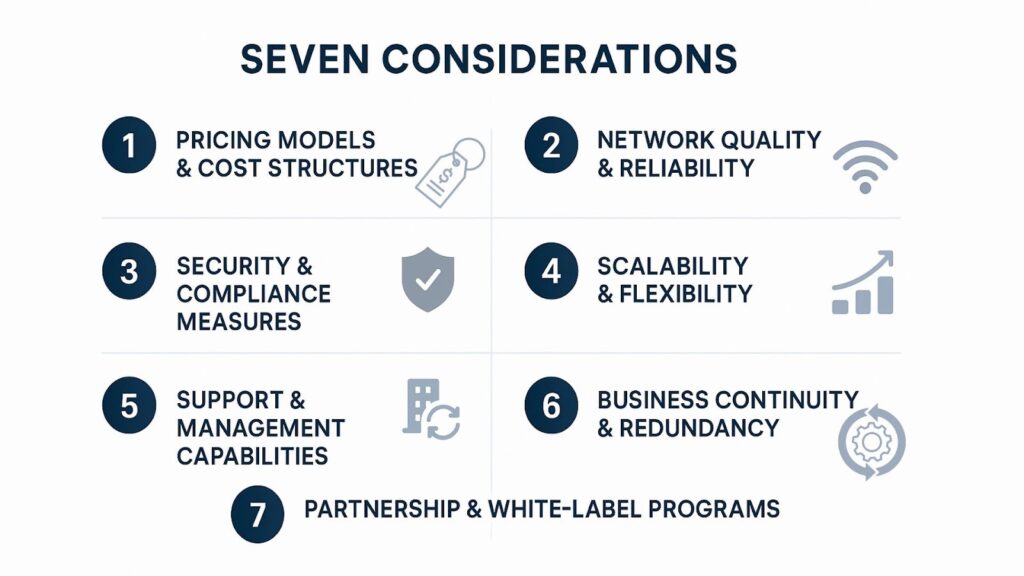
Selecting the right SIP trunk provider requires evaluating seven areas that directly impact your reseller success and client satisfaction.
- Pricing transparency and flexible models: Metered, unlimited, and per-channel options with clear rate structures
- Network reliability and quality: Tier-1 infrastructure with strong uptime guarantees and robust security protocols
- Scalability and business continuity: Automated provisioning, redundancy options, and seamless growth capabilities
- Partnership support: White-label programs, technical assistance, and comprehensive management tools
The best providers combine competitive wholesale rates with enterprise-grade infrastructure and genuine partnership support to help you build sustainable recurring revenue.
Legacy phone systems are becoming obsolete as organizations embrace internet-based calling solutions that offer flexibility and substantial cost savings. With the SIP trunking market projected to reach $73.14 billion in 2025 and growing at a 16.64% CAGR, there’s never been a better time to position yourself as a trusted advisor in this space.
For resellers, VARs, IT consultants, and telecom agents, choosing a SIP provider can help you build sustainable recurring revenue while delivering exceptional value to your clients. Make the wrong choice, and you risk client churn, technical headaches, and missed revenue opportunities. Choose wisely, and you’ll have a platform for long-term growth in one of today’s hottest telecom markets.
The challenge lies in navigating a crowded marketplace where wholesale SIP trunk providers all claim to offer superior service. Beyond the noise, what really matters when evaluating potential partners? After working with hundreds of resellers and analyzing thousands of client deployments, we’ve identified seven essential questions that will help you separate the genuine partners from the rest.
Question 1: What Pricing Models and Cost Structures Does the SIP Trunk Provider Offer?
Your success as a reseller depends on your ability to offer competitive, profitable solutions to clients with diverse needs. The best SIP providers understand this reality and offer multiple pricing models that let you tailor packages to different customer segments.
Understanding Modern Pricing Models
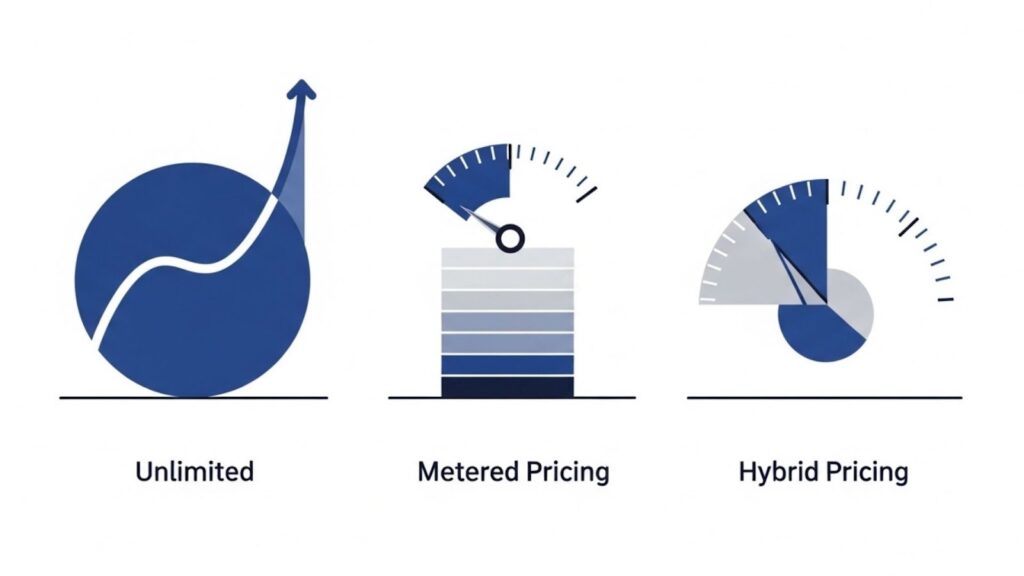
Today’s market demands flexibility. Some clients prefer predictable monthly costs, while others want to pay only for what they use. Many businesses prefer fixed-rate pricing with unlimited calling, while others favor metered calling options for cost control. Your provider should accommodate both preferences.
Unlimited Minutes: Perfect for high-volume clients who need predictable monthly expenses. These plans typically charge per channel regardless of usage, making budgeting straightforward for businesses with consistent calling patterns.
Per-Minute Rates: Ideal for seasonal businesses or organizations with fluctuating call volumes. Clients pay only for actual usage, which can result in significant savings during slower periods.
Hybrid Models: Many providers offer unlimited channels with bundled minutes, providing the best of both worlds: flexibility for concurrent calls with controlled monthly costs.
Transparent Pricing Is Non-Negotiable
Hidden fees can destroy client relationships and erode your margins. When evaluating wholesale SIP trunking providers, demand complete transparency around all potential charges. Consider setup fees, porting charges, regulatory fees, and any other add-on costs that might surprise clients later.
The most reseller-friendly providers offer simple, straightforward rate cards with minimal fine print. They automatically handle complex telecommunications taxes, removing administrative burden from your team while ensuring compliance across all jurisdictions.
Question 2: How Do They Ensure Network Quality and Reliability?
Network quality directly impacts client satisfaction and your reputation as a reseller. Poor call quality or frequent outages can quickly undo years of relationship-building efforts, making reliability your most important technical consideration.
Tier-1 Network Infrastructure Matters
Tier-1 providers own and operate their network infrastructure, providing direct connections to the public switched telephone network without relying on intermediate carriers. This ownership model typically results in better call quality, faster response times during outages, and more predictable performance.

Ask specifically about providers’ network architecture. When a SIP infrastructure is properly configured, using up-to-date encryption protocols such as TLS 1.3 and coupled with robust monitoring, security vulnerabilities are reduced while preserving excellent call quality.
Quality Metrics You Should Demand
Professional-grade providers offer specific quality guarantees rather than vague promises. Look for strong uptime commitments backed by service level agreements that include compensation for downtime. Mean Opinion Score (MOS) ratings above 4.0 indicate excellent voice quality, while anything below 3.0 suggests potential problems.
Geographic redundancy is equally important. The best SIP providers operate multiple points of presence with automatic failover capabilities, ensuring calls continue even during localized outages or maintenance windows.
Question 3: What Security and Compliance Measures Are in Place?
As cyber threats continue to evolve, security is a top concern for businesses considering SIP implementations. Data breach costs reached $4.4 million in 2025, making robust security protocols essential for protecting both your clients and your business.
Modern Security Requirements
Today’s best SIP providers implement multiple layers of security protection. Transport Layer Security (TLS) encrypts signaling traffic, while Secure Real-time Transport Protocol (SRTP) protects voice streams from interception. These features should be standard components of any enterprise-grade offering.
Fraud protection has become particularly important as international calling fraud attempts increase. Look for providers that offer real-time monitoring, automatic anomaly detection, and configurable spending limits to protect clients from unexpected charges.

Compliance and Regulatory Considerations
Different industries have varying compliance requirements, and your SIP trunk provider should understand these nuances. Healthcare organizations need HIPAA-compliant solutions, while financial services require specific data retention and security protocols.
E911 compliance is mandatory across all sectors. Your provider should offer comprehensive emergency calling services that automatically provide location information to emergency responders, regardless of where employees are working.
Question 4: What Level of Scalability and Flexibility Can You Expect?
One of SIP trunking’s biggest advantages is its ability to scale seamlessly with business growth. However, not all providers make scaling as simple as it should be, and the wrong partner can create bottlenecks that limit your ability to grow client relationships.
Automated Provisioning and Management
Manual provisioning slows down your sales cycles and increases operational overhead. The best wholesale providers offer fully automated account creation, number provisioning, and service activation that completes quickly.
Modern SIP platforms should include self-service portals that let you manage client accounts, add or remove channels, and handle routine changes without opening support tickets. Automation is vital as you scale your reseller business.
Geographic Coverage and Number Portability
Your clients’ needs will evolve, and your provider should be able to accommodate growth into new markets. Look for providers offering DIDs from all major area codes and international numbers if your client base requires a global presence.
Number porting should be handled seamlessly, with clear timelines and minimal client disruption. Providers that make porting difficult or expensive create unnecessary friction in your sales process.
Question 5: How Robust Are Their Support and Management Capabilities?
When technical issues arise (and they inevitably will), your provider’s support quality directly impacts your client relationships. Poor support can damage your reputation and cost you business.
Multi-Level Support Structure
Look for providers offering multiple support tiers matched to different client needs. Basic technical support should be available around the clock for immediate issues, while complex configuration questions should be routed to experienced engineers who thoroughly understand SIP implementations.
The best providers also offer proactive monitoring with automated alerting. Rather than waiting for clients to report problems, they identify and resolve issues before they impact call quality or availability.
Value-Added Services and Integration Support
Businesses expect more than basic calling functionality. Your provider should offer additional services that help differentiate your offerings, such as:
Advanced Analytics: Real-time call reporting and usage analytics help clients optimize their communication costs and identify trends.
API Access: Integration capabilities allow clients to connect SIP services with existing business applications, creating more comprehensive solutions.
Custom Integration Support: Complex client environments may require specialized configuration assistance or integration services.
Question 6: What Business Continuity and Redundancy Options Exist?
Business continuity is a major concern as organizations recognize how communication outages impact operations. Your clients need assurance that their voice services will remain available even during unexpected disruptions.
Redundant Infrastructure Design
Single points of failure can bring down entire communication systems. Professional SIP trunk providers implement redundant infrastructure at multiple levels, including network connections, server hardware, and data centers, to ensure continuous service availability.
Geographic distribution is important for larger clients with multiple locations. Providers operating data centers in different regions can offer true disaster recovery capabilities that maintain service even during major outages.
Failover Configuration Options
Different clients have varying tolerances for communication disruptions. Some may accept brief outages in exchange for lower costs, while others require immediate failover to backup systems.
The most flexible providers offer configurable failover options, including call forwarding to mobile devices, routing to alternate locations, or switching to backup carriers. These options should be easily configurable through management portals rather than requiring technical support involvement.
Question 7: How Do Their Partnership and White-Label Programs Work?
Your relationship with a wholesale SIP provider extends far beyond the technical service delivery. The right partner will help you build your brand, grow your business, and create long-term competitive advantages in the marketplace.
White-Label Branding and Customization
Professional white-label programs let you maintain consistent branding throughout the client experience. Look for branded management portals, customized billing documents, and your logo on all client-facing materials.
The depth of customization varies between providers. Basic programs might only offer logo replacement, while comprehensive solutions provide fully customizable interfaces that match your existing brand guidelines.
Sales and Marketing Support
Growing a successful SIP reseller business requires more than just technical capabilities. Look for providers offering sales training, marketing materials, and competitive positioning guidance that help you differentiate your offerings.
Some providers also offer co-marketing opportunities, including trade show participation, joint webinars, and lead-sharing programs that can accelerate your business development efforts.
Commission Structures and Financial Terms
Transparent, competitive commission structures are essential for building sustainable recurring revenue. The best programs offer straightforward percentage-based commissions with regular payments and detailed reporting.
Avoid providers with complex tier structures, minimum volume requirements, or lengthy payment terms that create cash flow challenges. Your provider should be invested in your success, not creating additional barriers to profitability.
Making Your Final Provider Selection
Choosing the right SIP trunk provider requires balancing multiple factors that impact your business success. Technical capabilities, pricing competitiveness, and support quality all matter, but the most important consideration is finding a true partner who shares your commitment to client success.
The best providers understand that your success drives their growth. They invest in partnership programs that help you build sustainable businesses while delivering exceptional value to your clients. This alignment of interests creates the foundation for long-term, mutually beneficial relationships.
Switching providers later becomes increasingly difficult as your client base grows. Take time to thoroughly evaluate potential partners using these seven questions as your framework. The extra effort invested upfront will pay dividends throughout your relationship.
Frequently Asked Questions
What’s the difference between Tier-1 and Tier-2 SIP providers? Tier-1 providers own their network infrastructure and connect directly to the PSTN, offering better call quality and reliability. Tier-2 providers resell access through Tier-1 networks, which can introduce additional latency and quality variables.
How important is geographic redundancy for my clients? Geographic redundancy becomes crucial for clients with high availability requirements or multiple locations. It provides disaster recovery capabilities and ensures service continuity during localized outages.
Should I prioritize unlimited or metered pricing models? Offer both options to accommodate different client needs. High-volume clients typically prefer unlimited pricing for budget predictability, while variable-usage clients benefit from metered models.
What security certifications should I look for in a provider? Look for SOC 2 Type II compliance, STIR/SHAKEN authentication support, and providers that implement TLS and SRTP encryption standards. Industry-specific certifications (like HIPAA) may be required for certain client types.
How quickly should new services be provisioned? Professional providers should offer rapid provisioning for standard configurations. Complex custom setups may require additional time, but basic service activation should be streamlined and efficient.
What support response times are reasonable for different issue types? Critical issues affecting call quality should receive immediate response, while configuration questions and routine requests can follow standard business-hour timelines with appropriate escalation procedures.
Choose the Right Platform for Your Success
The telecom industry continues evolving, with new technologies and changing client expectations creating both opportunities and challenges for resellers. Success requires a comprehensive platform that supports your business growth while delivering exceptional client experiences.
SIPTRUNK provides the complete platform resellers need to build successful SIP trunking businesses. Our white-label program includes automated provisioning, comprehensive management tools, and the responsive support that helps you deliver superior client experiences while building sustainable recurring revenue. Get started today and discover how the right partnership can transform your telecommunications business.

Mitch leads the Sales team at BCM One, overseeing revenue growth through cloud voice services across brands like SIPTRUNK, SIP.US, and Flowroute. With a focus on partner enablement and customer success, he helps businesses identify the right communication solutions within BCM One’s extensive portfolio. Mitch brings years of experience in channel sales and cloud-based telecom to every conversation.